OSHA Outreach
OSHA 10 & 30 Hour Training
Construction and general industry courses, taught at your site on your schedule, with the electives chosen for the hazards your crews actually face.
Overview
The 10-hour courses give entry-level workers a working knowledge of OSHA standards and how to recognize, avoid and prevent the hazards on their jobs. The 30-hour courses go deeper and suit supervisors and anyone with safety responsibility.
Every class covers the required core topics. STC then picks the electives with you, so a phosphate maintenance crew and a commercial framing crew each spend their hours on the hazards they meet. A test score of 80% is required, and cards are issued within 30 days of completion.
Electives that fit the job
You choose the electives with us, so a plant crew and a framing crew each train on the hazards they face.
Taught where you work
Classes run at your site or office at your start time, which keeps people near the work and cuts travel.
Cards within 30 days
Students who pass with 80% or better receive their OSHA cards within 30 days of completion.
Courses
14 courses, built around your crew
Hours are classroom plus practical where noted. Every course can be scheduled at your site; ask about combining courses into one visit.
-
OSHA 10-Hour Construction
The most common construction hazards, including the Focus Four: falls, struck-by, caught-in/between and electrocution. Core topics plus at least two electives.
29 CFR 1926 -
OSHA 30-Hour Construction
A complete overview of construction standards for foremen, supervisors and safety staff, with all core elements and electives chosen for your trade.
29 CFR 1926 -
OSHA 10-Hour General Industry
Hazard identification, avoidance and control for plants, warehouses and maintenance work, plus recordkeeping and how OSHA inspections work.
29 CFR 191029 CFR 1904 -
OSHA 30-Hour General Industry
In-depth coverage of general industry standards, related to your own workplace, for employees with safety responsibility.
29 CFR 191029 CFR 1903 -
Hazard Communication (HazCom)
Written programs, GHS labels, Safety Data Sheets and the right to know.
29 CFR 1910.1200 -
Lockout/Tagout
Energy types, isolation, verification of zero energy and return to service. Your own LOTO program can be built in.
29 CFR 1910.147 -
Machine Guarding
Moving-machine hazards and how to inspect, identify and install guards.
29 CFR 1910.212 -
Welding, Cutting & Brazing
Fire and electrical hazards, ventilation, cylinder handling and hot work permits.
29 CFR 1910 Subpart Q -
Respiratory Protection & Fit Testing
Annual training on the respirators your people wear, finished with qualitative or quantitative fit testing.
29 CFR 1910.134 -
Lead Exposure Awareness
Action levels, medical surveillance, health effects and engineering controls.
29 CFR 1910.1025 -
Asbestos Exposure Awareness
Awareness training before work in areas that may contain asbestos. Not abatement training.
29 CFR 1926.1101 -
Concrete & Masonry Hazards
Material exposures, silica and respiratory protection, skin contact and safe work procedures.
29 CFR 1926 Subpart Q -
Process Safety Management
PSM awareness for operations, maintenance and contractors, and Process Hazard Analysis leader training.
29 CFR 1910.119 -
Defensive Driving
Based on the National Safety Council program: preventable collisions, habits and attitude behind the wheel.
FAQ
Questions we get asked
Should my crew take OSHA 10 or OSHA 30?
OSHA 10 suits entry-level workers who need hazard awareness. OSHA 30 is for supervisors, foremen and anyone with safety responsibility. Construction work uses the construction course (29 CFR 1926); plants, warehouses and maintenance use general industry (29 CFR 1910).
When do students receive their OSHA cards?
Cards are issued within 30 days of successful completion. Students need a test score of 80% to pass.
Can you teach OSHA 10 or 30 at our site?
Yes. STC teaches onsite across Tampa Bay and Florida, or at a classroom location, scheduled around your shifts.
Can the course focus on our industry?
Yes. After the required core topics, STC selects the electives with you so the hours cover your crews' real hazards.
Often paired with
Related pages
- Competent person Competent Person OSHA expects a competent person on trenches, scaffolds and fall hazards. These courses give your people the knowledge and the authority to act.
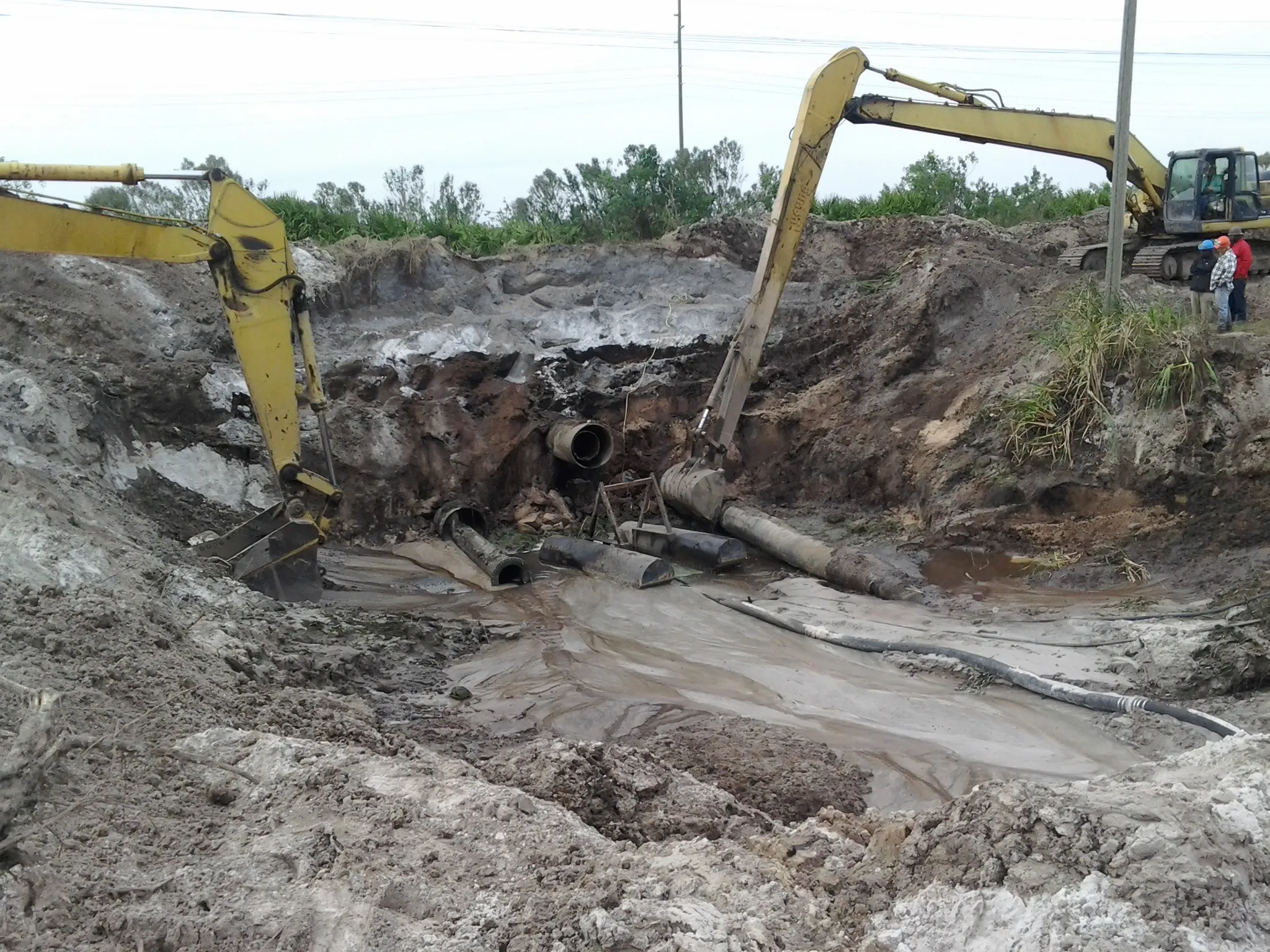
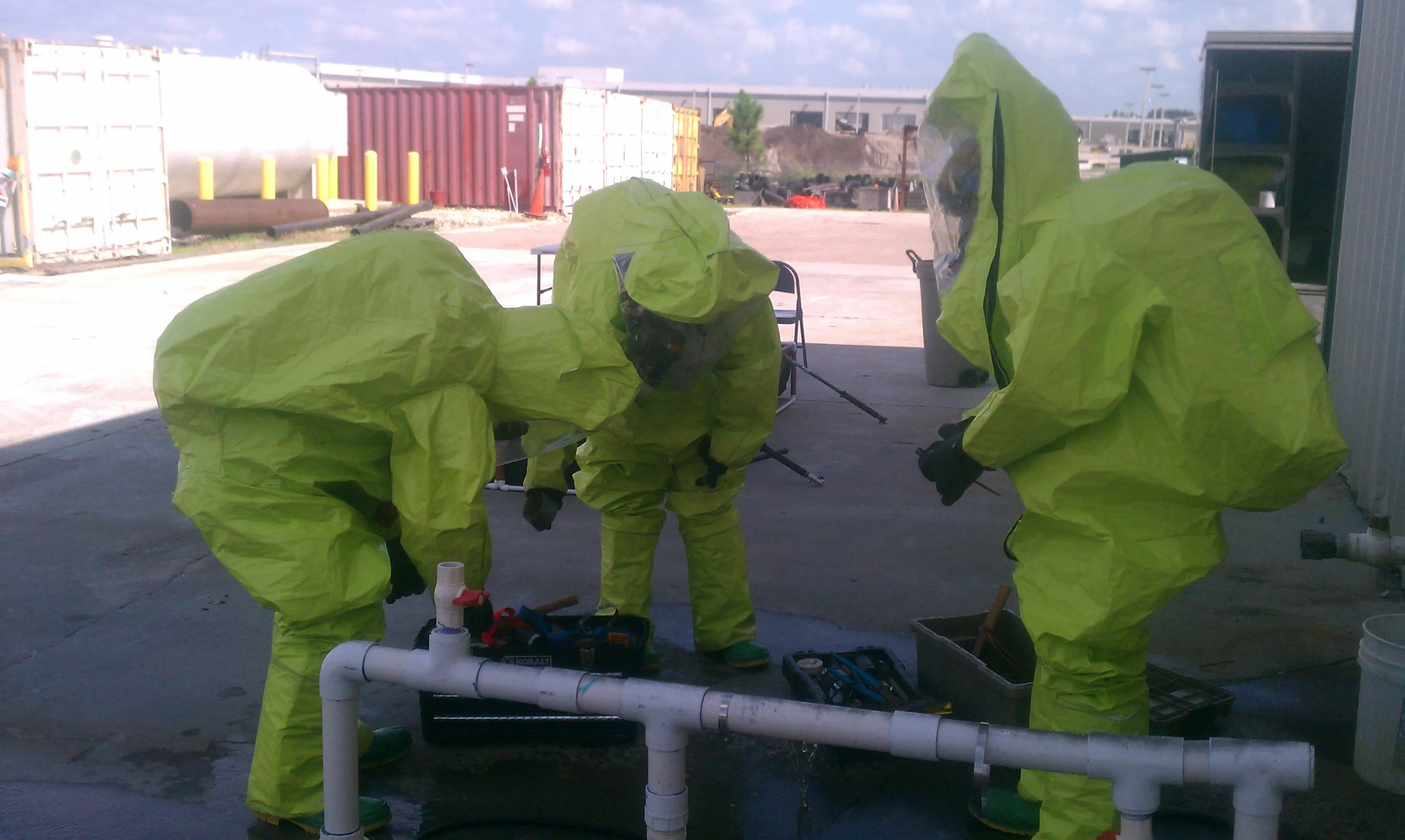
- Hazardous materials HAZWOPER Response training for the teams who will be first to a release, taught by people who staff standby rescue and run live drills.
- Consulting Safety Consulting We act as your safety department, or back up the one you have, from the first project meeting to the OSHA informal conference.